
How to Buy from Japan Internationally in 2026: 5 Methods Compared (With Real Costs)
Updated July 2026 · 15 min read
Japan Shop Helper Editorial
Tokyo-based · prices & fees verified on real orders
To buy from Japan internationally in 2026, use Amazon Japan when the item is listed there (it ships directly to 100+ countries with no proxy), and use a proxy service like ZenMarket or Buyee for Rakuten, Mercari, and Yahoo Auctions, which don’t ship abroad. A forwarding serviceis the fallback for stores no proxy covers. Which is cheapest depends on your item’s price and where it’s sold — the five methods below compare real costs on a ¥5,000 benchmark item.
Most overseas buyers overpay by defaulting to a proxy service when a cheaper direct option exists — or waste hours on Japanese checkout pages when a proxy would have saved them. This guide gives you the exact method to use for your situation, with real cost breakdowns across all five approaches.
Do You Actually Need a Proxy? A 60-Second Decision Tree
Run through this checklist before signing up for anything. Most buyers overpay because they skip this step.
Each path is detailed below with pricing so you can compare before committing.
Method 1: Amazon Japan Direct International Shipping
Amazon Japan (amazon.co.jp) is the cheapest and simplest way to buy from Japan without a proxy. The site has a full English interface — toggle language in the top navigation — and accepts international Visa, Mastercard, and American Express. No Japanese address required.
Add an item to your cart, enter your overseas address, and Amazon tells you immediately whether it ships internationally. Items sold and fulfilled by Amazon Japan almost always qualify. Third-party marketplace sellers sometimes do not.
Real Cost Example: ¥5,000 Item to the US (2026)
Item price: ¥5,000. AmazonGlobal Standard shipping (2–4 weeks), package under 500g: ¥800–¥1,500. Import deposit estimate: ¥400–¥700 (refunded if actual duty is lower). Total at checkout: approximately ¥6,200–¥7,200 (~$41–$48 USD) — the lowest total cost in this entire guide.
AmazonGlobal Priority (DHL, 2–4 business days) runs ¥2,000–¥3,500 for the same item — still competitive versus proxy services once you add proxy fees.
Pro Tip
Limitations
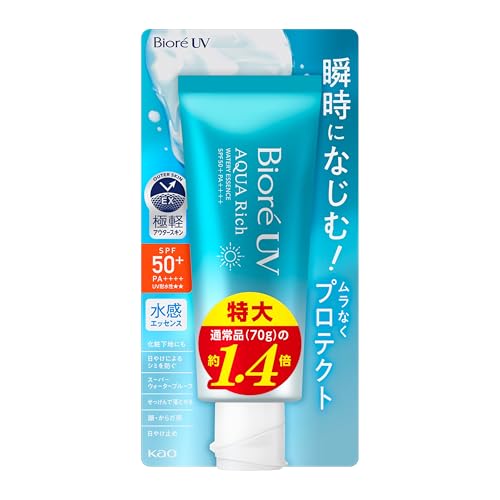
Alcohol, aerosol sprays, and lithium-battery items over certain thresholds are blocked from international shipping. Most Japanese sunscreensand beauty products ship fine — verify at checkout. Amazon Japan’s catalog also skips regional specialties, secondhand goods, and artisan items entirely.
Method 2: Rakuten Global Market — The Official English Rakuten
Rakuten Global Market (global.rakuten.com) is Rakuten’s English-language storefront. A curated subset of Japanese merchants list products with international shipping built in. You pay in your local currency; the merchant handles export logistics. No proxy account needed.
The catalog concentrates on beauty, kitchenware, snacks, and fashion. You won’t get the full depth of domestic Rakuten (50,000+ merchants), but for mainstream items it’s a no-proxy solution.
Real Cost Example: ¥5,000 Item to the UK (2026)
Item price: ¥5,000 (~£26 GBP at checkout). EMS shipping to Europe: ¥1,200–¥2,500 for a typical kitchenware item. No separate proxy fee. Total: approximately ¥6,200–¥7,500. UK VAT applies on goods over £135 on arrival.
Heads Up
Watch for price inflation: some Rakuten Global merchants list items 10–20% above their domestic price to cover export overhead. If you spot a large gap between domestic and global listings, a proxy service may cost less in total. Method 3 quantifies when that crossover happens.
Method 3: Full Proxy Services (ZenMarket, Buyee, FromJapan)
A proxy service acts as your personal shopper in Japan. Paste any Japanese product URL — Rakuten, Mercari, Yahoo Auctions, boutique shops — and the proxy buys it on your behalf, receives it at their warehouse, and ships it internationally. This is the most flexible option for hard-to-access items.
How Proxy Fees Work
- Service fee: ZenMarket charges ¥300 flat per item. Buyee charges ¥300 for Mercari items, ¥500 for Yahoo Auctions.
- Domestic shipping: Cost of moving the item from seller to proxy warehouse. Typically ¥500–¥1,000 for small items.
- International shipping: The largest variable. EMS to North America for a 500g package: ~¥2,000. DHL: ¥2,500–¥4,000. Surface mail (1–3 months): from ¥900.
- Payment processing: Typically 3.5% for credit card payments.
Real Cost Example: ¥5,000 Item on Mercari via ZenMarket to the US (2026)
Item: ¥5,000. ZenMarket service fee: ¥300. Domestic shipping: ¥700. International EMS (500g): ~¥2,000. Credit card processing (3.5%): ~¥280. Grand total: approximately ¥8,280 (~$55 USD)— about $14 more than Amazon Japan direct, which is the access premium for Mercari’s secondhand market.
Proxy Services Compared (2026)
- Buyee: Official partner of Mercari and Yahoo Auctions. Best platform integration. Higher fees on some categories. Free storage: 30 days.
- ZenMarket: ¥300 flat per-item fee — the lowest in this category. Strong English support. Covers Rakuten, niche shops, and Mercari. Free storage: 45 days.
- FromJapan: Strong for Yahoo Auctions. Offers Plan A (proxy buys for you) and Plan B (you bid yourself using their address).
Pro Tip
Method 4: Japanese Forwarding Services (Tenso, Shipito Japan)
A forwarding service gives you a real Japanese warehouse address. You shop and check out on any Japanese site yourself; the forwarder receives your package and ships it overseas. No proxy markup — but you handle the purchase.
The key trade-off: you need to navigate Japanese checkout pages (Google Translate helps but isn’t perfect) and have a payment method Japanese stores accept. Some domestic stores reject overseas credit cards even with a Japanese shipping address.
Tenso: Japan’s Most Popular Forwarder
Tenso.com offers an English interface, a three-step process (register → shop → ship), and options for EMS, airmail, SAL, and surface mail. Consolidation combines packages from different stores into one shipment with careful packing including air bags and liquid-safe wrapping.
Real Cost Example: ¥5,000 Item via Tenso to Australia (2026)
Item: ¥5,000. Tenso handling fee: ¥0 for the first package per month (¥150 per subsequent package same month). EMS to Australia (500g): ~¥1,800. PayPal: ¥0 processing fee. Grand total: approximately ¥6,800 (~A$68) — roughly ¥1,500 cheaper than a full proxy for the same item.
For buyers ordering from Japan monthly, that ¥1,500 per-order saving compounds to ¥18,000 per year versus using a proxy every time.
Heads Up
Method 5: In-Person Shopping Services — The Niche Option
An in-person shopping service sends a human to a physical Japanese store on your behalf. Services like White Rabbit Express or freelancers on Fiverr cover this niche.
When it makes sense: the item simply doesn’t exist online. Regional pottery from a Kyoto workshop, a specific vintage manga from Mandarake’s Nakano Broadway location, or fresh wagashi that no e-commerce site carries.
Real Cost Example: ¥5,000 Item via In-Person Service to Canada (2026)
Item: ¥5,000. Shopping service fee: ¥1,000–¥2,000 flat, or 10–20% of item price. EMS (500g to Canada): ~¥2,000. Total: approximately ¥8,000–¥9,000 (~C$80–$90). You pay a human-effort premium, but for a genuinely one-of-a-kind item there is no alternative.
Planning a trip? Skip all of this and buy in person — and read our guide on tax-free shopping in Japan to save 10% consumption tax on purchases over ¥5,000 at participating stores.
All 5 Methods Compared: Cost, Speed, and Difficulty (2026)
Benchmark: ¥5,000 item shipped to the US via EMS or equivalent fastest-reasonable option.
| Method | Total Cost (¥5,000 item, to US) | Delivery Speed | Japanese Required? | Best For |
|---|---|---|---|---|
| Amazon Japan Direct | ¥6,200–¥7,200 | 5–14 days | No | New items widely stocked on Amazon |
| Rakuten Global Market | ¥6,200–¥7,500 | 7–21 days | No | Beauty, kitchenware, snacks |
| Full Proxy (ZenMarket / Buyee) | ¥8,000–¥8,500 | 10–21 days | No | Mercari, Yahoo Auctions, niche shops |
| Forwarder (Tenso) | ¥6,800–¥7,500 | 10–21 days | Some (checkout pages) | Repeat buyers comfortable with Japanese sites |
| In-Person Shopping Service | ¥8,000–¥9,000 | 14–30 days | No | Physical-store-only items |
Bottom line: Amazon Japan Direct wins on cost and speed for anything in their catalog. Tenso is the budget pick outside Amazon. Full proxy services cost more but eliminate the language barrier entirely — worth it for Mercari and Yahoo Auctions.
Which Method Should You Use? One-Line Verdicts by Scenario
- “I want Japanese snacks and beauty products.” → Start with Amazon Japan. If the specific brand isn’t there, try Rakuten Global Market. A proxy is almost certainly unnecessary.
- “I want to bid on a vintage item on Yahoo Auctions.” → Use Buyee (official Yahoo Auctions partner) or FromJapan. A proxy is unavoidable.
- “I want secondhand clothing or figures from Mercari.” → Buyee has direct Mercari integration; ZenMarket works too. Budget ¥3,000–¥4,000 above item price for fees and shipping.
- “I order from Japan every month.” → Set up a Tenso account and shop domestic Rakuten directly. Savings of ¥1,000–¥1,500 per order = ¥12,000–¥18,000 per year versus a proxy.
- “I need a specific regional craft or food item.” → In-person shopping service. Expect a 20–30% premium but you’ll get exactly what you want.
- “I’m visiting Japan soon.” → Skip all of this. Buy in person and read our guide on what to buy in Japan before your trip.
If you have narrowed it down to the two biggest proxy services, our ZenMarket vs Buyee comparison runs the exact fee math at four price points and shows where the winner flips.
Hidden Costs Most Guides Don’t Mention
Import Duties and Customs Fees
Amazon Japan pre-collects an import deposit and refunds any overage. Proxy services and forwarders do not — your postal service charges duties on delivery. Key 2026 de minimis thresholds: US $800, EU €150, Australia A$1,000, UK £135. Know your country’s limit before ordering.
Currency Conversion Fees
Cards with foreign transaction fees (typically 1–3%) add cost to every purchase. On a ¥50,000 order, a 3% fee card costs ¥1,500 more than a 0% fee card (Wise, Revolut, Capital One in the US) — roughly equal to domestic shipping costs.
Warehouse Storage Deadlines
Free storage windows in 2026: ZenMarket 45 days (then ¥50/day), Buyee 30 days, Tenso 30 days (extensions ¥100/day). Time your purchases so everything arrives within the free window when consolidating.
Pro Tip
Items That Can’t Be Shipped Internationally from Japan (2026)
- Perfume and aerosol sprays: Classified as dangerous goods. Most forwarders and proxies refuse them; Amazon Japan blocks international shipping.
- Lithium batteries over 100Wh: Power banks and some electronics restricted by air. Surface mail sometimes works — expect 2–3 month delivery.
- Fresh food and alcohol: Subject to destination country import rules. The US prohibits most fresh produce; alcohol requires an import license in many states.
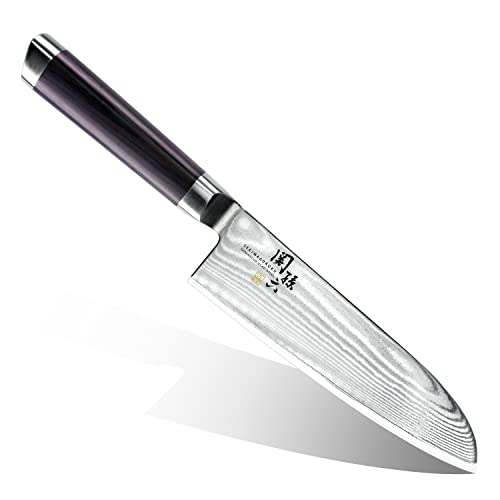
- Knives over certain lengths: The UK and Australia restrict importing bladed items. Verify before ordering kitchen knives.
- Certain food items to the US: As of 2026, Tenso specifically flags restrictions on food shipped to the United States. Verify each product individually before purchasing.
Traveling to Japan? Packing Japanese snacks in your luggage avoids most shipping restrictions — though customs still scrutinizes fresh items.
7 Tips to Cut Your Total Cost by 20–30%
- Always check Amazon Japan first. Even when someone links a Mercari listing, the same item may be on Amazon at a lower all-in cost after proxy fees.
- Consolidate aggressively. International shipping scales with weight, not item count. Three 200g items in one box costs roughly the same as one 600g package (~¥2,500 EMS to the US).
- Use SAL or surface mail for non-urgent items. SAL is 30–40% cheaper than EMS and arrives in 2–3 weeks. Surface mail takes 1–3 months but starts at ¥900 for small packages.
- Use a 0% foreign transaction fee card. Saves 2–3% on every transaction — Wise, Revolut, and Capital One (US) all qualify.
- Buy during Japanese sale seasons. Rakuten Super Sale (quarterly), Amazon Japan Prime Day (July 2026), and January fukubukuro lucky bags offer discounts that offset proxy fees.
- Request minimal packaging. ZenMarket and Tenso both allow you to remove excess packaging, reducing weight and shipping cost at no extra charge.
- Compare shipping quotes across services. Use the calculators on ZenMarket, Buyee, and Tenso before committing. DHL sometimes undercuts EMS for heavy items to certain destinations.
Disclosure
This article contains affiliate links. We may earn a commission when you buy through them, at no extra cost to you. Every pick is an honest recommendation.
Ready to order from Japan?